
All case studies are based on real experiences. Identifying details have been generalized to protect individual privacy.
What Happened
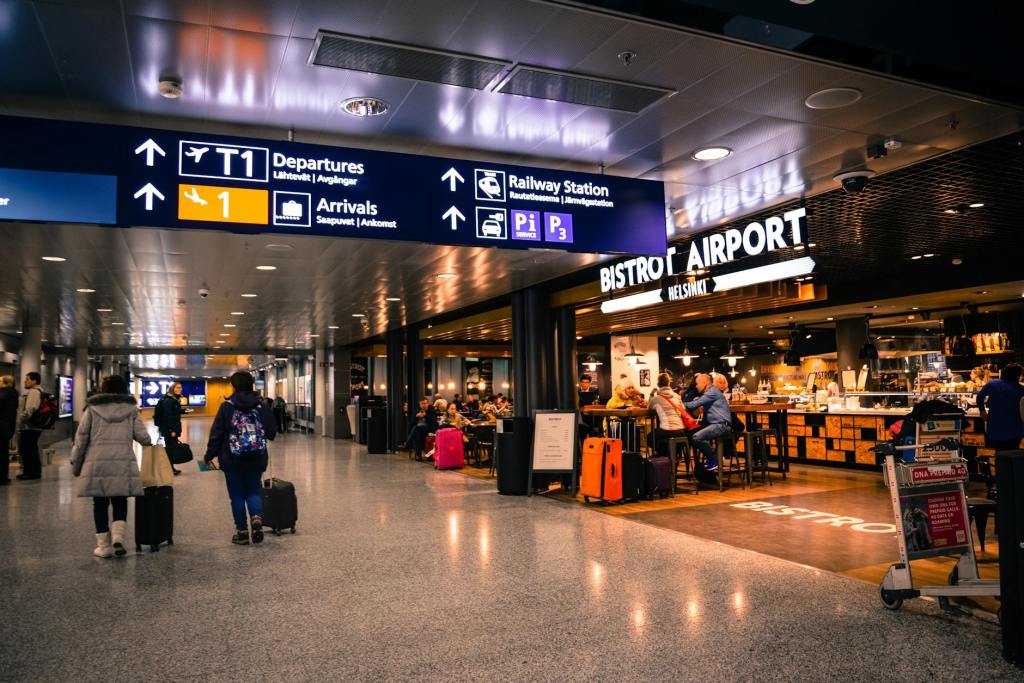
I was traveling through a busy Florida airport when I witnessed a healthcare provider conducting patient calls from a crowded food court. The conversations were fully audible to anyone nearby. Full names, dates of birth, cancer diagnoses, biopsy results. Anyone within earshot had access to information that patients almost certainly believed was private.
The provider’s laptop screen was also visible to bystanders, and the connection appeared to be an unsecured public Wi-Fi network. Three separate HIPAA exposure vectors, audible PHI, visible screen, and unsecured transmission, happening simultaneously in a public space.
Why It Matters
This was not a cyberattack or a system breach. It was a provider operating without situational awareness of their environment. The risk was not technical — it was behavioral. And behavioral risk is harder to patch than a software vulnerability.
Under HIPAA, covered entities are responsible for ensuring the confidentiality of protected health information regardless of setting. The Florida Information Protection Act (FIPA) adds a state-level obligation to take reasonable measures to protect personal information. Neither statute makes an exception for airports, food courts, or travel delays.
The Gaps This Exposed
- No policy or training governing PHI discussions in public or remote environments
- No requirement for privacy screens on mobile devices and laptops
- No secure communication protocol for remote patient contact
- No mechanism for staff to recognize or self-correct public PHI exposure
What Organizations Should Do
The fix is not complicated, but it requires intentionality. Organizations should establish and enforce a clear remote work and travel privacy policy that addresses public environments specifically. Staff need training that goes beyond annual HIPAA modules, instead we need scenario-based education that puts people in situations like this one and asks: what do you do?
Practical controls include requiring privacy screens on all devices handling PHI, mandating VPN use on any non-organizational network, and establishing approved channels for patient contact outside the clinical setting. Regular audits of remote work practices close the loop.
The Broader Lesson
Compliance programs often focus on systems, documentation, and survey readiness. This incident is a reminder that patient privacy is also a function of daily habits and professional judgment. The provider in this scenario was almost certainly not acting with any intent to cause harm. That is exactly the point. Without deliberate training and clear organizational expectations, good intentions are not enough to protect patients.
 NurseDebb, LLC Advanced Healthcare Solutions
Leave a comment